Darker underarms, knees, inner thighs or bikini line are some of the most common skin worries we hear about, and some of the least talked about. The good news: in most cases they respond well to patience and a gentle, consistent routine, not to harsh creams.
This guide explains why these areas darken, why we never recommend bleaching, and the simple weekly ritual we suggest instead.
Why underarms, knees and the bikini line get darker
These zones share a few things in common: they fold, they rub, they sweat and they are shaved or waxed often. Skin responds to repeated irritation by producing more pigment and by thickening slightly, which makes the area look darker and rougher than the rest of your body.
The most common everyday causes include:
- Friction. Inner thighs rubbing when you walk, tight jeans, bra straps and underwear elastic all create constant low-level irritation.
- Shaving and waxing. Razors scrape the top layer of skin, and frequent waxing can inflame the follicles. Ingrown hairs leave small dark marks behind.
- Dead-skin buildup. Without regular exfoliation, dead cells collect in folds and on knees and elbows, giving a greyish, dull look.
- Heat and sweat. A Moroccan summer, whether in Marrakech or a humid Tangier afternoon, keeps these areas warm and damp, which adds to irritation.
- Harsh products. Some deodorants, perfumed body washes and DIY lemon or bleach mixtures can irritate skin and make darkening worse over time.
Darker skin in these areas is also simply normal for many people, especially with deeper skin tones. Your goal is comfortable, smooth, healthy-looking skin, not a different colour.
When to see a dermatologist: if darkening appears suddenly, spreads quickly, feels velvety or thick, or comes with itching, a rash or broken skin, book a dermatologist visit. It can sometimes be linked to hormonal or other health factors that need a proper check.
Why bleaching creams are a bad idea
Many of us have seen "whitening" creams sold cheaply in markets or online with promises of fast results. Some contain strong ingredients that are not meant for unsupervised use, and others are simply unlabelled. On thin, sensitive skin like the underarms and bikini line, they can sting, cause redness and leave patches that look worse than before.
Irritation is exactly what triggers extra pigment in the first place. So an aggressive product can start a frustrating cycle: you irritate the skin, it darkens, you apply more.
Our view is simple. Your skin does not need to be bleached. It needs a consistent routine that cleanses, exfoliates and nourishes it gently. That is how you get a brighter, more even-looking tone that you can keep.
As our grandmothers say at the hammam, skin is like a garden: you do not burn it to make it bloom, you tend it every week.
The gentle weekly routine, step by step
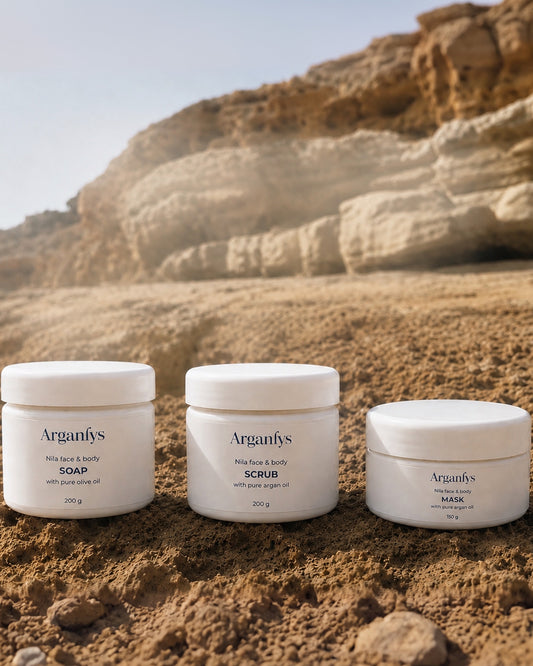
This ritual uses the Nila & Argan Brightening Bundle (soap, scrub and mask) once or twice a week, plus a light cream on the in-between days. Do the full ritual in the shower or after your weekly hammam.
Step 1: Soften with Nila soap
Let warm water and steam soften your skin for a few minutes. Apply a small amount of Brightening Nila Soap to damp underarms, knees, inner thighs and bikini line, avoiding intimate mucous areas. Leave it for 3-5 minutes, then rinse. Learn more in our black soap guide.
Step 2: Exfoliate gently with the kessa
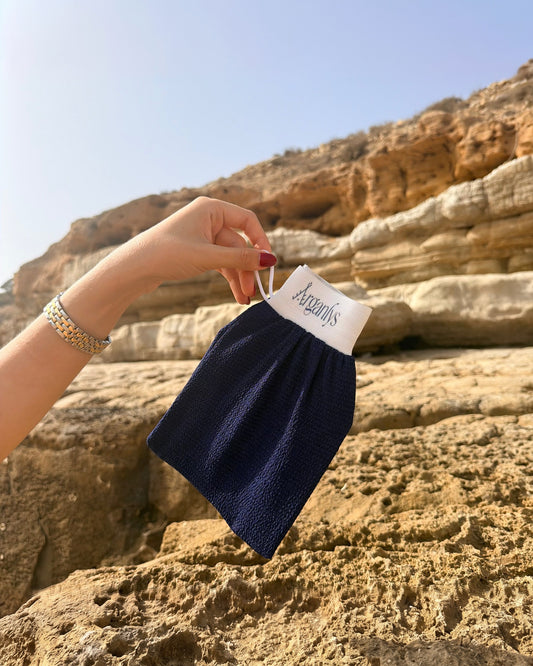
Using a Premium Kessa Glove, rub with light, short strokes. On these delicate zones you need far less pressure than on your back or legs. If the skin turns red or stings, stop. Our kessa and home hammam guide shows the right technique.
Step 3: Smooth with the scrub
Massage the Nila & Argan Brightening Scrub in small circles, especially on knees and elbows where skin is thicker. Rinse with warm water. On scrub days you can skip the kessa on the most sensitive areas.
Step 4: Apply the mask
After exfoliation, apply a thin layer of the Nila & Argan Brightening Mask. Leave it for 7–10 minutes, then remove it with a damp cotton pad and rinse.
Step 5: Nourish
Pat skin dry and finish with a light, fragrance-free moisturiser to keep the area soft and comfortable. The mask already brings argan oil and honey, so there is no need for anything heavy.
Tip: Avoid shaving or waxing for 24 hours before and after your exfoliation day. Freshly shaved skin is more reactive, and giving it a break makes a real difference.
Where Kenta cream fits in
Kenta Cream is designed for exactly these areas: underarms, elbows, knees, inner thighs and bikini line. It contains zinc oxide, vitamin E, almond oil, coconut oil and herbal extracts, and it is free from cortisone.
Use it 2-3 times a week on clean, dry skin, ideally in the evening and on the days you are not doing your full ritual. A thin layer is enough. Pair it with these daily habits:
- Choose loose cotton underwear and breathable clothes in summer.
- Use an unperfumed deodorant and apply it on dry skin, not right after shaving.
- Change your razor blade often and shave in the direction of hair growth.
- Pat sweat away during the day instead of rubbing.
- Apply SPF on knees and any exposed areas when you are in the sun.
Patch test first: before using any new product on sensitive zones, apply a small amount to the inside of your arm and wait 24 hours. If you are pregnant, have eczema, or your skin is broken or irritated, ask a dermatologist before starting.
A realistic timeline
Gentle routines work slowly, and that is part of why they are safe. Here is what most people can expect when they stay consistent:
| Time | What you may notice |
|---|---|
| After the first ritual | Softer, smoother skin; less greyish dead-skin buildup on knees and elbows. |
| 2-4 weeks | Fewer bumps and ingrown hairs; texture looks more even. |
| 6-8 weeks | A brighter, more even-looking tone in the areas you treat regularly. |
| Ongoing | Results hold as long as you keep the weekly routine and reduce friction. |
Everyone's skin is different, so take this as a guide, not a promise. If you stop exfoliating and go back to daily friction, the dullness tends to return.
Don't forget SPF under the Moroccan sun
Knees, elbows and the backs of legs see a lot of sun, especially on beach days in Agadir or summer weddings outdoors. UV exposure deepens existing dark marks and can undo weeks of careful routine.
Apply a broad-spectrum SPF every morning to any skin that will be exposed, and reapply after swimming or sweating. Exfoliated skin is a little more sensitive, so the day after your ritual is the most important day to protect it.
Shop the ritual
Nila & Argan Brightening Bundle — soap, scrub and mask together for a complete weekly brightening ritual on underarms, knees and bikini line.
Curious about the blue ingredient behind this routine? Read what Nila really is, or take our skin ritual quiz to find your routine.
Frequently asked questions
How can I brighten dark underarms naturally?
We focus on brightening rather than changing skin colour. Gentle weekly exfoliation with Nila soap, a kessa and a scrub, plus a cream like Kenta 2-3 times a week, helps underarms look smoother and more even. Reducing shaving irritation and friction matters just as much.
Can I use Nila on the bikini line?
Yes, on the outer bikini area and inner thighs, but never on intimate mucous areas. Use light pressure with the kessa, skip it if you have just shaved or waxed, and always do a patch test first.
How long does it take to see results on dark knees?
Most people notice softer, smoother knees after the first ritual. A more even-looking tone usually takes 6-8 weeks of consistent weekly care, along with daily SPF on exposed knees.
Is Kenta cream safe for sensitive skin?
Kenta Cream is free from cortisone and made for delicate zones, but every skin is different. Patch test on your inner arm for 24 hours, and ask a dermatologist first if you are pregnant or have eczema or broken skin.